

The Rhino and Forest Fund (RFF) is pleased to announce a new strategic cooperation: We are supporting Rhiannon Peacock, a PhD candidate at Cardiff University, in her comprehensive research project on the ecology and genetics of sun bears in Sabah. This project is conducted in close collaboration with the Danau Girang Field Centre (DGFC) and the Bornean Sun Bear Conservation Centre (BSBCC). The study aims to evaluate the population genetics and spatial demography of this endangered species based on a robust data foundation. Ms. Peacock utilizes the RFF field station and logistical infrastructure in the Tabin Wildlife Reserve for her field studies.
Founded in 2008 as a partnership between the Sabah Wildlife Department (SWD) and Cardiff University, the DGFC consistently contributes essential research to conservation strategies in Sabah. A primary focus is the resilience of wildlife populations within degraded and fragmented landscapes that are exposed to anthropogenic stressors such as poaching, agricultural expansion, and climate change.
Methodology and objectives
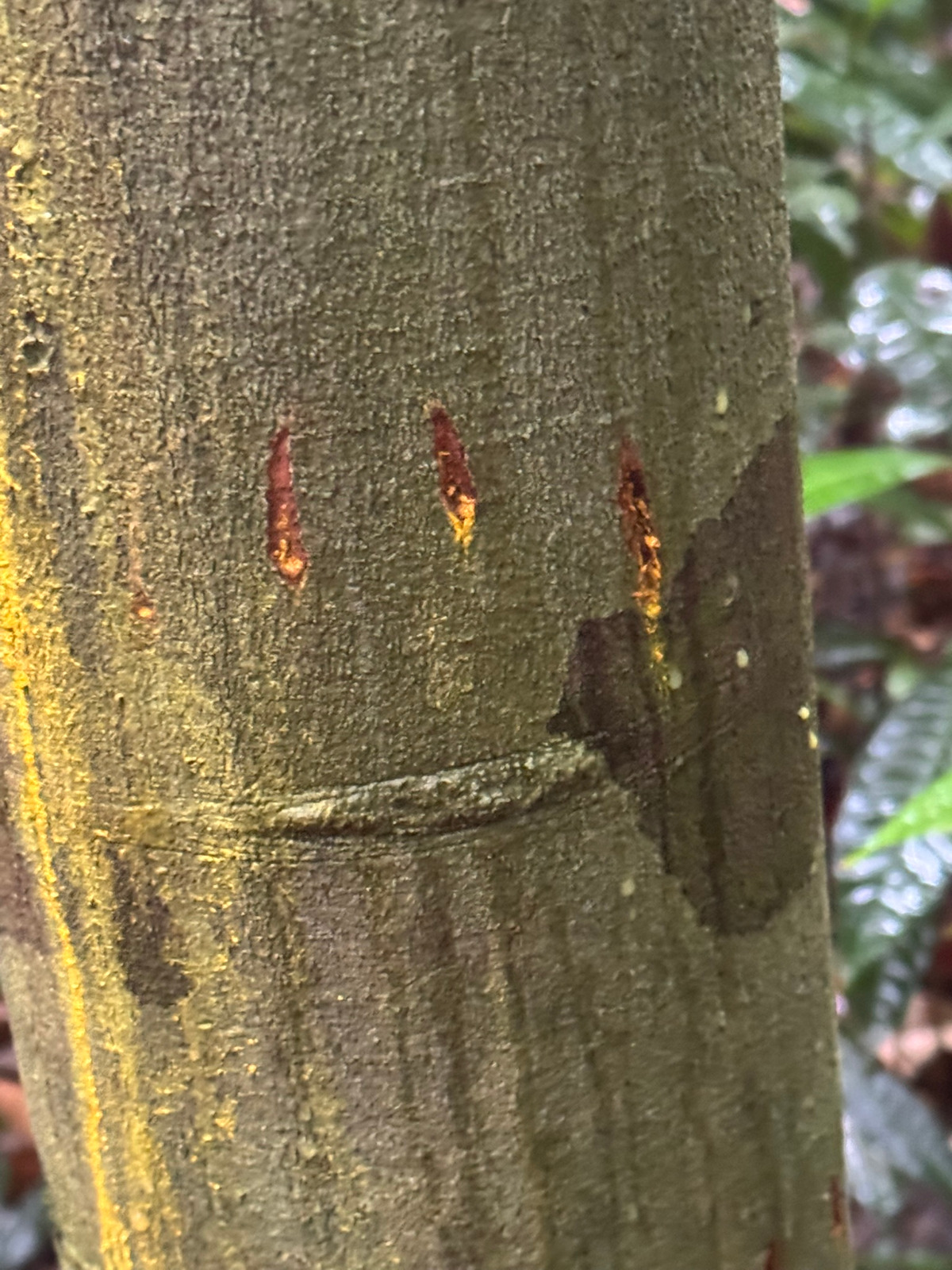
The four-year study spans various protected areas and forest reserves in Sabah, with the Tabin Wildlife Reserve serving as a central reference site. Methodologically, the project relies on non-invasive sampling: genetic material is collected using specialized hair traps. The subsequent extraction and analysis of mitochondrial DNA and microsatellite markers allow for the identification of individual genotypes. The objective is to establish a comprehensive database to determine genetic distance and variability between isolated populations.
Conservation relevance
Rhiannon Peacock’s research will provide quantifiable data on how habitat fragmentation affects gene flow and the long-term viability of sun bear populations. These findings are crucial for the evidence-based planning of habitat corridors—a core element of the RFF’s mission. Furthermore, the data will help optimize reintroduction programs and provide forensic leads for law enforcement agencies in the fight against illegal wildlife trade.
Current status update (June 2025)
During the current field season, an individual was verified for the first time via camera trap at one of the project’s sampling sites! In addition to visual documentation, hair samples and tracks have already been secured at the trap locations. Sampling is conducted via bait stations (using shrimp paste and dried fish), where hair follicles are collected by adhesive barriers as the bears climb the trunk, ensuring a process that does not harm or distress the animal.